
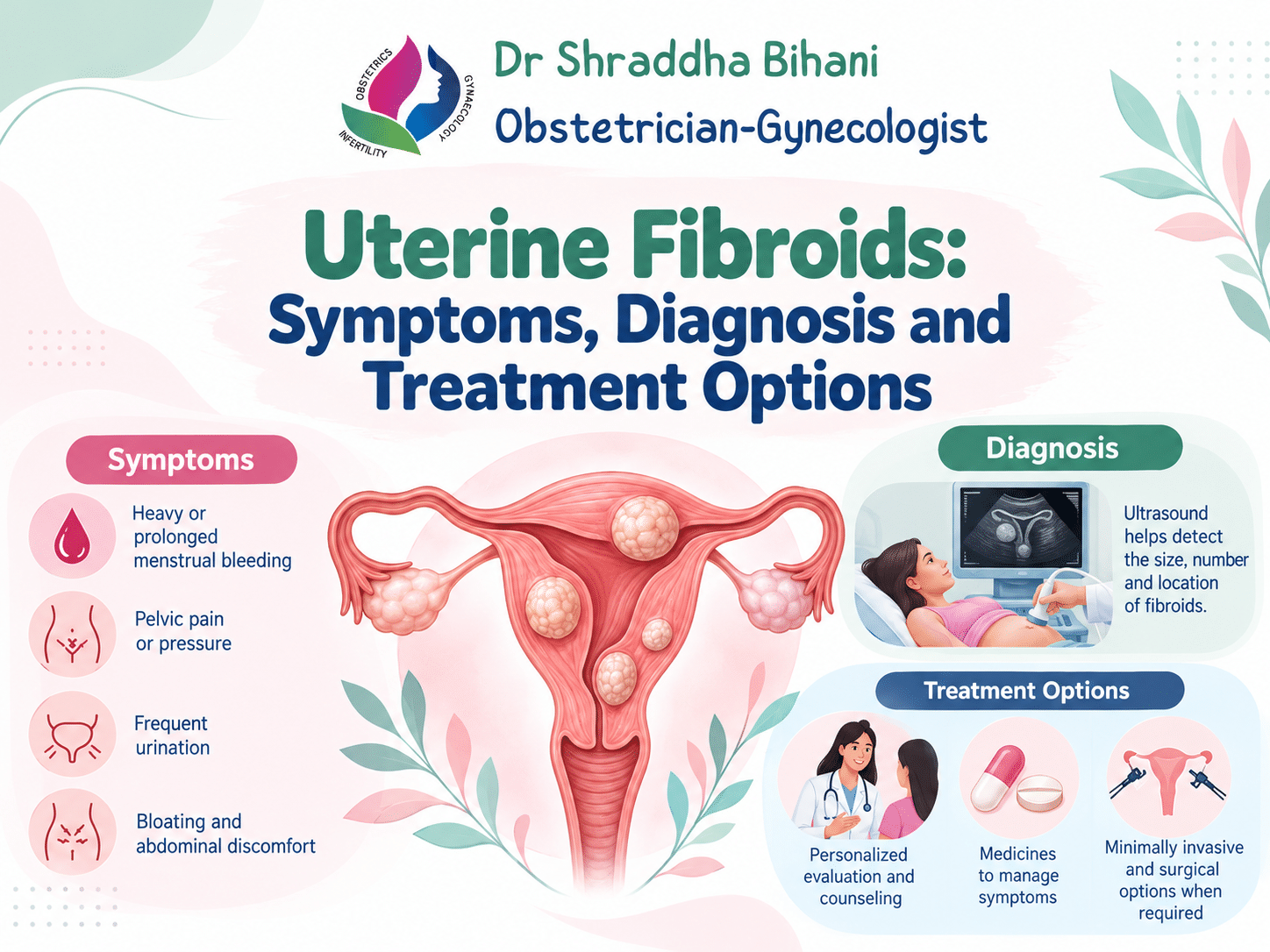
Uterine fibroids are non-cancerous growths that develop in or around the uterus. They are common during the reproductive years, but their size, number, and location can vary from one woman to another. Some women experience no noticeable symptoms, while others may have heavy menstrual bleeding, pelvic discomfort, pressure, or difficulties related to fertility. Understanding the symptoms and available treatment options can help women make informed decisions about their health. Women exploring Uterine fibroids treatment in indore should seek medical advice when symptoms are persistent, unusual, or affecting their daily routine.
Fibroid symptoms can sometimes resemble those of other gynaecological conditions, which is why proper evaluation is important. A Gynecologist in indore can review menstrual patterns, medical history, symptoms, and examination findings to determine whether fibroids may be responsible. Dr. Shraddha Bihani is associated with the clinic information provided for Shivani Diagnostic Centre, Annapurna Road, Indore. Treatment decisions should be based on an appropriate medical assessment.
What Are Uterine Fibroids?
Uterine fibroids, also known as leiomyomas or myomas, are growths made up of muscle and other tissue that develop in the uterus. They can be very small or large enough to change the shape of the uterus. Some women develop a single fibroid, while others have several. Fibroids are usually benign, meaning they are not cancerous, and having them does not automatically mean that treatment is necessary.
The symptoms depend partly on the size and position of the growths. Fibroids located within the muscular wall of the uterus may affect menstrual bleeding, while those that project into the uterine cavity can sometimes cause particularly heavy periods or fertility-related concerns. Fibroids growing outward from the uterus may create pressure on nearby organs. Women considering Uterine fibroids treatment at Annapurna Rd should understand that management depends on individual symptoms and clinical findings rather than the presence of a fibroid alone.
Fibroids may be discovered during a routine pelvic examination or an imaging test performed for another reason. A woman who has no symptoms may only need periodic monitoring, depending on her clinical situation. When symptoms are present, the healthcare professional can assess whether the fibroids are likely to be responsible and whether additional investigations are needed.
Common Symptoms of Uterine Fibroids
Not every woman with uterine fibroids experiences symptoms. When symptoms occur, they may range from mild discomfort to problems that interfere with everyday activities. Women looking for Uterine fibroids treatment in indore should pay attention to persistent changes in menstrual bleeding, pelvic pressure, and other new symptoms.
-
Heavy Menstrual Bleeding
Heavy menstrual bleeding is one of the symptoms associated with uterine fibroids. Periods may become heavier than usual, last longer, or involve passing large blood clots. Some women may need to change sanitary products more frequently or find that menstrual bleeding interferes with work, travel, sleep, and other daily activities.
Heavy bleeding can sometimes lead to iron-deficiency anaemia, particularly when blood loss continues over several menstrual cycles. Anaemia may cause tiredness, weakness, dizziness, headaches, or shortness of breath. Women experiencing unusually heavy or prolonged periods should discuss the symptoms with a Gynecologist in indore rather than assuming that heavy bleeding is normal for them.
-
Pelvic Pain and Pressure
Some fibroids cause a feeling of heaviness, fullness, or pressure in the lower abdomen. Larger fibroids may create discomfort because they occupy space within the pelvis or press against nearby structures. The sensation may be constant or may become more noticeable during certain activities.
Pelvic pain can have many causes, so it should not automatically be attributed to fibroids. If pain is severe, sudden, persistent, or accompanied by fever or heavy bleeding, prompt medical assessment is important. Women can discuss their symptoms with an appropriately qualified healthcare professional, including Dr. Shraddha Bihani, after confirming the relevant consultation arrangements at the clinic.
-
Frequent Urination
A fibroid positioned near the bladder may press against it and create a frequent need to urinate. Some women may feel that their bladder fills quickly or that they need to visit the bathroom more often than before.
Frequent urination can also be caused by urinary tract infections, diabetes, fluid intake, and other conditions. A clinical assessment can help identify the likely cause. Women considering Uterine fibroids treatment at Annapurna Rd should describe urinary changes clearly, including when they started and whether they occur alongside pelvic pressure or menstrual symptoms.
-
Constipation and Lower Back Discomfort
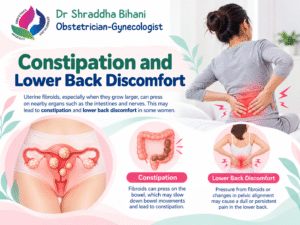
Fibroids that become large or press against surrounding structures may contribute to a feeling of pelvic fullness, bowel pressure, constipation, or lower back discomfort. However, these symptoms are not specific to fibroids and may be related to digestive, muscular, spinal, or other health conditions.
Persistent constipation, unexplained pain, or a noticeable change in bowel habits deserves medical attention. A clinician may recommend examination or imaging to understand whether fibroids could be contributing to the symptoms.
-
Discomfort During Sexual Activity
Some women experience pain or discomfort during sexual activity, depending on the location and size of the fibroids and other individual factors. This symptom can have several possible causes, including infections, pelvic conditions, vaginal dryness, and other gynaecological concerns.
Women should feel comfortable discussing these symptoms during a medical consultation. Accurate information helps the healthcare professional consider the appropriate examination and investigations rather than assuming that fibroids are the only possible explanation.
What Causes Uterine Fibroids?
The exact cause of uterine fibroids is not fully understood. Their development appears to involve a combination of genetic, hormonal, and other biological factors. Oestrogen and progesterone, hormones involved in the menstrual cycle, can influence fibroid growth. Fibroids often grow during the reproductive years and may shrink after menopause, although individual experiences vary.
Hormonal Factors
Oestrogen and progesterone are involved in the growth and maintenance of the uterine lining. Fibroid tissue responds to these hormones, which may help explain why fibroids commonly develop during the reproductive years. Hormonal changes can influence fibroid size and symptoms, but they do not explain every case.
Family History and Genetics
Fibroids may run in families, and certain genetic changes have been identified in fibroid tissue. Having a family member with fibroids may be relevant when discussing personal health history, but it does not mean that every woman in the family will develop them.
Age and Individual Health Factors
Fibroids are commonly identified during the reproductive years. Their development and symptoms can vary depending on age, reproductive history, and other individual factors. No single factor can reliably predict whether a woman will develop fibroids or how they will affect her.
Understanding these factors may help patients discuss their concerns, but symptoms and treatment decisions should be based on proper evaluation. A Gynecologist in indore can explain the findings and whether monitoring or treatment is appropriate for the individual situation.
Types of Uterine Fibroids
Fibroids are often classified according to where they develop in relation to the uterus. Their location can affect the symptoms they cause and the treatment options that may be considered.
Intramural Fibroids
Intramural fibroids develop within the muscular wall of the uterus. They may cause heavy menstrual bleeding, pelvic pressure, or an increase in uterine size, depending on their dimensions and position. Some intramural fibroids cause no noticeable symptoms.
Submucosal Fibroids
Submucosal fibroids grow toward the inner cavity of the uterus. Even relatively small fibroids in this location may contribute to heavy menstrual bleeding or reproductive concerns. Their effect depends on how much they distort the uterine cavity and on the person’s overall clinical circumstances.
Subserosal Fibroids
Subserosal fibroids grow outward from the outer surface of the uterus. Larger growths may press against the bladder or bowel and contribute to urinary frequency, constipation, or pelvic pressure. Their effect depends on their size and relationship to nearby organs.
Pedunculated Fibroids
Some fibroids are attached to the uterus by a narrow stalk. These are called pedunculated fibroids and may grow inward or outward. The symptoms and management depend on their location, size, and whether they cause complications.
Identifying the fibroid type and location helps the healthcare professional understand its likely impact. Women seeking Uterine fibroids treatment in indore should ask how the imaging findings relate to their symptoms and whether treatment is needed.
How Are Uterine Fibroids Diagnosed?
Diagnosis usually begins with a discussion of symptoms and medical history. The healthcare professional may ask about menstrual cycles, the amount and duration of bleeding, pelvic pain, urinary symptoms, pregnancy history, current medicines, and any previous gynaecological conditions. A physical examination may be recommended depending on the situation.
Pelvic Examination
A pelvic examination may help identify changes in the size or shape of the uterus. However, examination alone may not confirm the presence, number, or exact location of fibroids. Additional tests may be needed to establish the diagnosis.
Ultrasound
Ultrasound is commonly used to examine the uterus and identify fibroids. It can help assess their number, size, and location. The results may also help the clinician consider whether the fibroids could explain the symptoms.
Blood Tests
When heavy menstrual bleeding is present, blood tests may be recommended to check for anaemia or other possible causes of the symptoms. The specific tests depend on the person’s medical history and clinical findings.
Additional Imaging or Procedures
In selected cases, further imaging or procedures may be recommended to examine the uterine cavity or clarify findings from an initial ultrasound. The choice depends on the symptoms, the suspected location of the fibroids, and whether treatment planning requires more detail.
Patients seeking Uterine fibroids treatment at Annapurna Rd should confirm the consultation arrangements and the relevant clinician’s role when booking an appointment.
Uterine Fibroids Treatment in Indore
There is no single treatment suitable for every woman with uterine fibroids. The decision depends on symptoms, fibroid size and location, age, overall health, proximity to menopause, and whether pregnancy is desired in the future. Some women need no immediate treatment, while others may benefit from medicines or a procedure.
Watchful Waiting and Monitoring
If fibroids are small or are not causing significant symptoms, a healthcare professional may recommend monitoring rather than immediate treatment. Follow-up may involve reviewing symptoms and repeating imaging when clinically appropriate.
Monitoring does not mean ignoring changes. New heavy bleeding, worsening pelvic pressure, persistent pain, or urinary problems should be reported. The timing of follow-up depends on the clinical situation.
Medicines for Symptom Management
Certain medicines may help manage symptoms such as heavy menstrual bleeding or pain. The appropriate option depends on the cause of the symptoms, medical history, other medicines, and whether pregnancy is being planned. Some treatments focus mainly on controlling bleeding or discomfort rather than removing the fibroids.
Hormonal treatments may be considered in selected cases, while other medicines may be used to manage specific symptoms. Medicines that affect hormones or menstrual bleeding may have limitations and potential side effects, so they should be used only after professional advice.
Iron Treatment for Anaemia
Women who develop iron deficiency due to heavy menstrual bleeding may be advised to take iron supplements if testing confirms that they are needed. Iron treatment can help address deficiency, but it does not remove fibroids or treat the underlying source of bleeding. The clinician may also recommend investigating and managing the cause of blood loss.
Myomectomy
Myomectomy is a procedure to remove fibroids while preserving the uterus. It may be considered for women with troublesome symptoms or specific fertility-related concerns, depending on the fibroids and individual circumstances.
The procedure may be performed through different surgical approaches. The most suitable method depends on the number, size, and location of fibroids and the patient’s health. Recovery, potential risks, and the possibility of fibroids developing again should be discussed before deciding on surgery.
Hysterectomy
Hysterectomy is surgery to remove the uterus. It is a definitive treatment for uterine fibroids because fibroids cannot grow in a uterus that has been removed. However, it permanently ends the ability to carry a pregnancy and is not suitable for every patient.
This option may be considered in selected cases when symptoms are severe, other treatments are unsuitable or unsuccessful, and the patient does not wish to become pregnant in the future. The benefits, risks, alternatives, and personal preferences must be discussed carefully.
Uterine Artery Embolisation
Uterine artery embolisation is a procedure that reduces the blood supply to fibroids, causing them to shrink over time. It may be an option for some women, depending on their symptoms, anatomy, health history, and reproductive plans.
It is important to discuss potential benefits, risks, recovery, and possible effects on future pregnancy with an appropriately qualified specialist. This treatment is not suitable for every patient, and individual assessment is necessary.
Other Minimally Invasive Options
Certain patients may be eligible for other procedures that target fibroids without removing the uterus. Availability and suitability depend on the type of fibroid, its location, symptoms, local clinical services, and the patient’s treatment goals. A clinician should explain the evidence, limitations, possible complications, and follow-up requirements for any proposed procedure.
Women researching Uterine fibroids treatment in indore should compare options based on medical suitability rather than assuming that the newest or least invasive procedure is automatically the best choice.
Can Uterine Fibroids Affect Fertility?
Many women with fibroids can become pregnant, but the effect on fertility depends on the fibroids’ size, number, and location. Fibroids that distort the uterine cavity may be more relevant to fertility than those that do not affect the cavity. Other factors, including age, ovulation, fallopian tube health, and the partner’s reproductive health, also influence the chances of pregnancy.
A fertility assessment may be recommended when a woman has difficulty conceiving or has experienced pregnancy complications. The clinician can consider whether the fibroids are likely to be contributing and whether treatment may be helpful.
Not every fibroid needs to be removed before pregnancy. Surgery can have risks, and the decision should consider the potential benefits, recovery, future pregnancy plans, and the possibility of fibroids recurring. Women planning pregnancy should discuss these factors with a qualified gynaecology specialist.
Dr. Shraddha Bihani is the named doctor associated with the provided clinic information. Patients should verify the appropriate specialist before proceeding with fertility-related treatment.
When Should You Seek Medical Attention?
Women should arrange a medical consultation if they experience unusually heavy or prolonged menstrual bleeding, recurring pelvic pain, persistent pressure, frequent urination, or symptoms that interfere with everyday activities. It is also important to seek assessment when periods change significantly or when there is concern about anaemia.
Seek urgent medical attention for very heavy bleeding accompanied by faintness, severe weakness, shortness of breath, sudden severe pelvic pain, or other acute symptoms. Bleeding during pregnancy or after menopause also requires prompt medical evaluation. These symptoms should not automatically be attributed to fibroids without assessment.
Women considering Uterine fibroids treatment at Annapurna Rd should bring details of their symptoms, menstrual history, previous scans, test results, and current medicines to their appointment. This information can help the healthcare professional decide which investigations or treatment options are appropriate.
Preparing for a Consultation
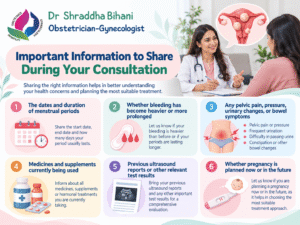
Preparing a few details before the appointment can make the discussion more useful. Consider recording:
- The dates and duration of menstrual periods.
- Whether bleeding has become heavier or more prolonged.
- Any pelvic pain, pressure, urinary changes, or bowel symptoms.
- Medicines and supplements currently being used.
- Previous ultrasound reports or other relevant test results.
- Whether pregnancy is planned now or in the future.
Patients can also prepare questions about the size and location of their fibroids, whether monitoring is sufficient, and what the benefits and risks of different treatments may be. A Gynecologist in indore can explain the findings in the context of the patient’s symptoms and reproductive goals.
Choosing an Appropriate Treatment Plan
The most suitable approach to fibroids is individualised. Factors such as the severity of bleeding, the presence of anaemia, the location of the fibroids, other medical conditions, and future pregnancy plans may all affect the decision. Patients should have an opportunity to understand their options and ask questions before agreeing to a treatment.
It is also important to understand what a proposed treatment can and cannot do. Some medicines control symptoms without removing fibroids, while procedures may target or remove particular growths. Follow-up may be needed to assess whether symptoms improve or whether further treatment is appropriate.
Dr. Shraddha Bihani is included in the clinic-related information supplied for this article. Patients should confirm the available services, the appropriate treating clinician, and appointment details before visiting Shivani Diagnostic Centre.
Frequently Asked Questions – Uterine Fibroids Treatment in Indore
1. What are the common symptoms of uterine fibroids?
Common symptoms of uterine fibroids include heavy or prolonged menstrual bleeding, pelvic pain, lower abdominal pressure, frequent urination, and constipation. Some women may not experience any symptoms. The symptoms depend on the size, number, and location of the fibroids.
2. Which treatment is best for uterine fibroids?
The best treatment for uterine fibroids depends on their size, location, symptoms, age, and future pregnancy plans. Options may include regular monitoring, medication to manage symptoms, minimally invasive procedures, or surgery. A specialist can recommend a suitable approach after evaluation.
3. When should I consider Uterine Fibroids Treatment in Indore?
You should consider a medical consultation if you experience unusually heavy periods, persistent pelvic pain, prolonged menstrual bleeding, or pressure in the lower abdomen. Consulting a specialist for uterine fibroids treatment in Indore can help identify the cause of your symptoms and determine appropriate treatment options.
4. Can a Gynecologist in Indore diagnose uterine fibroids?
Yes, a gynaecologist in Indore can evaluate symptoms, review your medical history, and recommend investigations such as a pelvic ultrasound. Depending on the findings, additional tests may be required to assess the size, number, and location of the fibroids.
5. How much does fibroid treatment cost in Indore?
The cost of fibroid treatment in Indore varies depending on the treatment method, fibroid characteristics, investigations, hospital facilities, and whether surgery is required. A consultation and diagnostic assessment can help establish the most appropriate treatment plan and its estimated cost.
6. Can Ayurvedic treatment remove uterine fibroids?
There is limited reliable scientific evidence that Ayurvedic remedies can eliminate uterine fibroids. Women considering alternative treatments should discuss them with a qualified healthcare professional and avoid delaying appropriate evaluation, particularly if they experience heavy bleeding or persistent pain.
7. Is surgery necessary for every patient with uterine fibroids?
No, surgery is not necessary for every patient. Small or asymptomatic fibroids may only require monitoring. Medication or procedures may be considered when symptoms are troublesome. The decision depends on the severity of symptoms, fibroid location, overall health, and pregnancy plans.
8. How risky is uterine fibroid surgery?
Like any surgical procedure, fibroid surgery carries potential risks, including bleeding, infection, and complications related to anaesthesia. The level of risk depends on the procedure, fibroid size and location, and the patient’s health. A specialist can explain the expected benefits and risks before treatment.
9. Can uterine fibroids affect pregnancy?
Some uterine fibroids may affect fertility or pregnancy, particularly when they distort the uterine cavity. However, many women with fibroids have successful pregnancies. The potential impact depends on the fibroids’ size and location, so individual assessment is important when planning pregnancy.
10. Where can I consult a specialist for Uterine Fibroids Treatment at Annapurna Road?
Women experiencing heavy periods, pelvic discomfort, or other possible fibroid symptoms can consult a qualified gynaecologist for evaluation. If you are looking for uterine fibroids treatment at Annapurna Road, Indore, ask about diagnostic tests, available treatment options, potential risks, and follow-up care.
Conclusion – Uterine fibroids treatment in indore
Uterine fibroids are common, non-cancerous growths that may cause heavy menstrual bleeding, pelvic pressure, pain, urinary symptoms, or fertility-related concerns. Some women have no symptoms and may only need monitoring, while others may benefit from medicines or procedures. The right approach depends on the fibroids’ size and location, symptom severity, overall health, and plans for future pregnancy.
Women considering Uterine fibroids treatment in indore should seek a proper evaluation rather than relying on symptoms alone or starting treatment without medical advice. Dr. Shraddha Bihani is named in the clinic information supplied for this blog. A consultation with an appropriately qualified healthcare professional can help clarify the diagnosis, explain the available options, and establish a follow-up plan.
Clinic address: Shivani Diagnostic Centre, 1st Floor, Annapurna Road, next to Apna Sweets and in front of Annapurna Mandir, Indore, Madhya Pradesh 452009.
Patients should confirm appointment availability and the appropriate treating clinician before visiting.